
small light up makeup mirror
The Revolution in Construction Embracing Plastic Rebar Supports In the ever-evolving world of construction, innovative materials and techniques are constantly reshaping the industry. One such game-changer is the introduction of plastic rebar supports, an eco-friendly and cost-effective alternative to traditional steel rebars. This technological advancement not only offers improved durability but also paves the way for sustainable building practices. Plastic rebar, also known as polymer reinforced concrete (PRC), is a cutting-edge material that has been gaining traction due to its numerous benefits. Made primarily from high-density polyethylene (HDPE) or recycled plastic, it is designed to mimic the shape and function of conventional steel rebars. However, unlike steel, plastic rebar does not corrode, making it particularly suitable for marine or corrosive environments where rust can compromise the integrity of structures over time. The resistance to corrosion is just one of the many advantages of plastic rebar. It is also lighter in weight, reducing handling and transportation costs, and easing the installation process. This can lead to significant time savings on construction sites, thereby boosting productivity. Moreover, its non-conductive nature enhances safety, as it eliminates the risk of electrical accidents that can occur with metal rebars. Furthermore, plastic rebar supports have excellent thermal stability, which can help mitigate temperature-induced stress on structures. They also exhibit superior impact resistance and flexibility, allowing them to withstand earthquakes and other natural disasters better than their steel counterparts They also exhibit superior impact resistance and flexibility, allowing them to withstand earthquakes and other natural disasters better than their steel counterparts They also exhibit superior impact resistance and flexibility, allowing them to withstand earthquakes and other natural disasters better than their steel counterparts They also exhibit superior impact resistance and flexibility, allowing them to withstand earthquakes and other natural disasters better than their steel counterparts plastic rebar supports . In addition, the use of recycled plastics in their manufacture contributes to waste reduction and environmental sustainability. However, the adoption of plastic rebar is not without challenges. While it has shown comparable strength to steel in some tests, more extensive research is needed to fully understand its long-term performance under various load conditions. Additionally, the initial cost of plastic rebar is often higher than steel, although the reduced maintenance and longevity can offset this in the long run. Despite these hurdles, the potential of plastic rebar in revolutionizing construction is undeniable. As the industry continues to prioritize green solutions and sustainable practices, plastic rebar supports are likely to play a pivotal role. With ongoing advancements in material science, we can expect further improvements in the properties and applications of this innovative material, ultimately leading to more durable, efficient, and environmentally responsible construction projects. In conclusion, plastic rebar supports represent a promising shift towards a more sustainable future in construction. As we strive for a balance between progress and environmental preservation, embracing such alternatives becomes essential. The journey may be challenging, but the rewards – in terms of enhanced structural integrity, reduced carbon footprint, and increased efficiency – are well worth the effort.
about
small light up makeup mirror
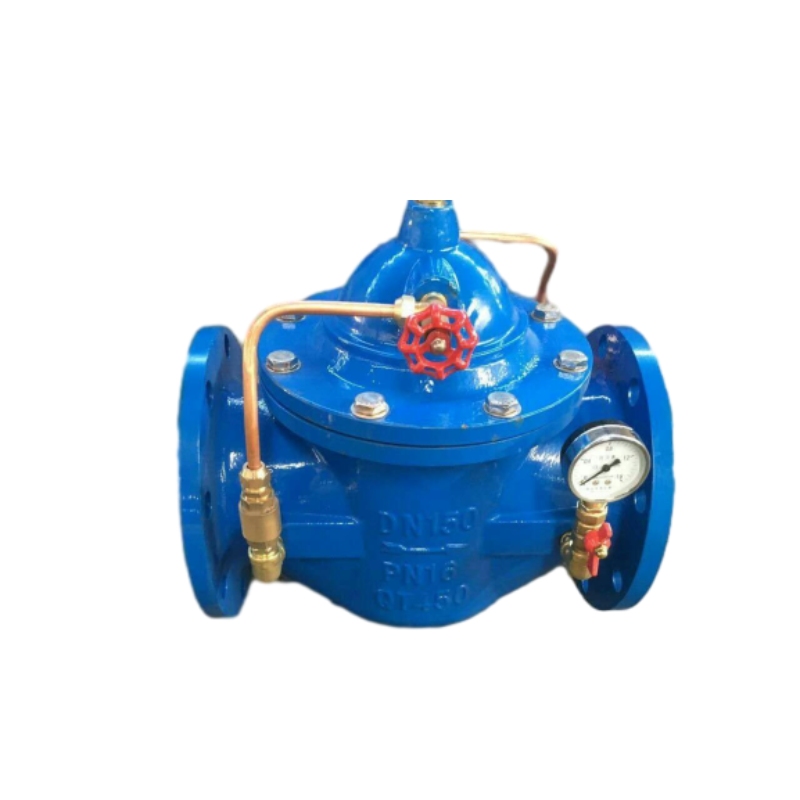
Understanding the Pricing of 16% Gate Valves Gate valves play a crucial role in various industrial applications, providing an efficient means of controlling fluid flow. Among the various types of valves, the gate valve is preferred for its ability to offer a straight-line flow path, minimal pressure drop, and the capability to fully open or close the flow. This article will explore the factors influencing the price of gate valves, particularly those with a 16% rating, which typically signifies their durability and performance in moderate pressure applications. What is a Gate Valve? A gate valve is a type of valve that opens by lifting a rectangular or circular gate out of the path of the fluid. This design makes it particularly suitable for applications where the flow needs to be either fully on or fully off, rather than throttled. Gate valves are commonly used in pipelines, water supply systems, and various industrial applications, and their effectiveness can significantly impact the overall operation of a system. Factors Influencing the Price of 16% Gate Valves The price of gate valves, including those rated at 16%, can vary widely based on several key factors 1. Material Composition The material from which a gate valve is made heavily influences its price. Common materials include cast iron, brass, stainless steel, and bronze. Stainless steel valves, for instance, tend to be more expensive than those made from cast iron due to their resistance to corrosion and longer lifespan. 16 gate valve price 2. Size and Dimensions The size of the gate valve is another key factor in its pricing. Larger valves require more material and may involve more complex manufacturing processes, leading to higher costs. 3. Manufacturer and Brand Reputation The brand reputation of the manufacturer can also affect the price. Established manufacturers with a track record of producing high-quality, reliable valves may charge a premium. Conversely, lesser-known brands may offer lower prices, but this can sometimes come at the cost of quality or reliability. 4. Application and Use Case The intended application can influence valve pricing as well. For instance, gate valves used in critical infrastructure, such as water treatment facilities or industrial plants, may be designed with higher standards and more stringent quality controls, leading to higher costs. 5. Market Conditions Supply and demand dynamics can affect pricing. During periods of high demand or shortages in material supply, prices for gate valves can increase. Additionally, fluctuations in steel prices, tariffs, and global trade issues may further impact costs. 6. Customization and Features Custom features, such as specific types of actuators, coatings for corrosion resistance, or ratings for extreme temperatures, can also drive up the price. Standard valves tend to be more cost-effective than those requiring unique modifications or specifications. Conclusion When considering the purchase of a 16% gate valve, it is essential to understand the various factors that influence its price. By evaluating the material, size, brand reputation, application needs, market conditions, and any necessary customizations, buyers can make more informed decisions. Investing in the right gate valve not only supports optimal flow control but also contributes to the efficiency and longevity of the overall system. As with any industrial purchase, careful consideration of these elements will lead to better performance and value over time.
-

High quality industrial productsagement

High quality industrial products
View Details -

Meet the diverse needs of customers

Meet the diverse needs of customers
View Details -

Strict quality control

Strict quality control
View Details -

Top raw materials

Top raw materials
View Details -

Trusted supplier

Trusted supplier
View Details
Our application

news and information
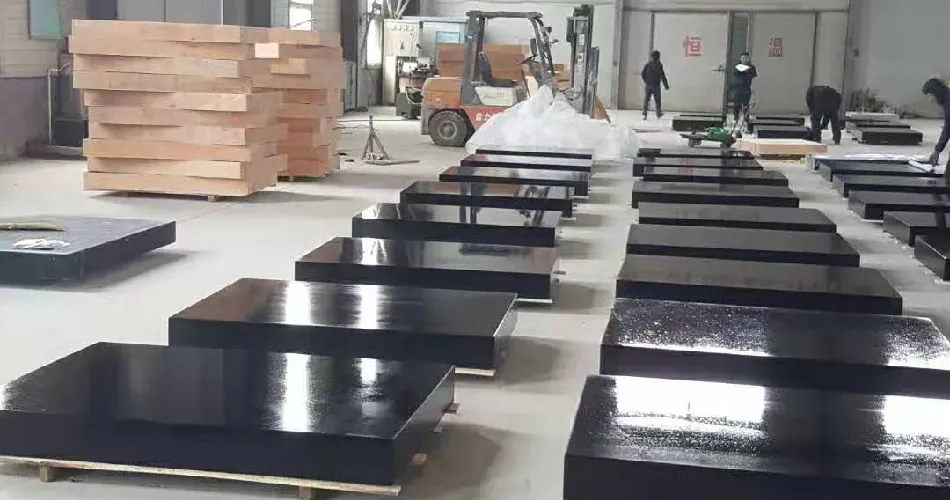
v block v block
Understanding V Block A Fundamental Tool in Manufacturing and Engineering In the world of manufactur

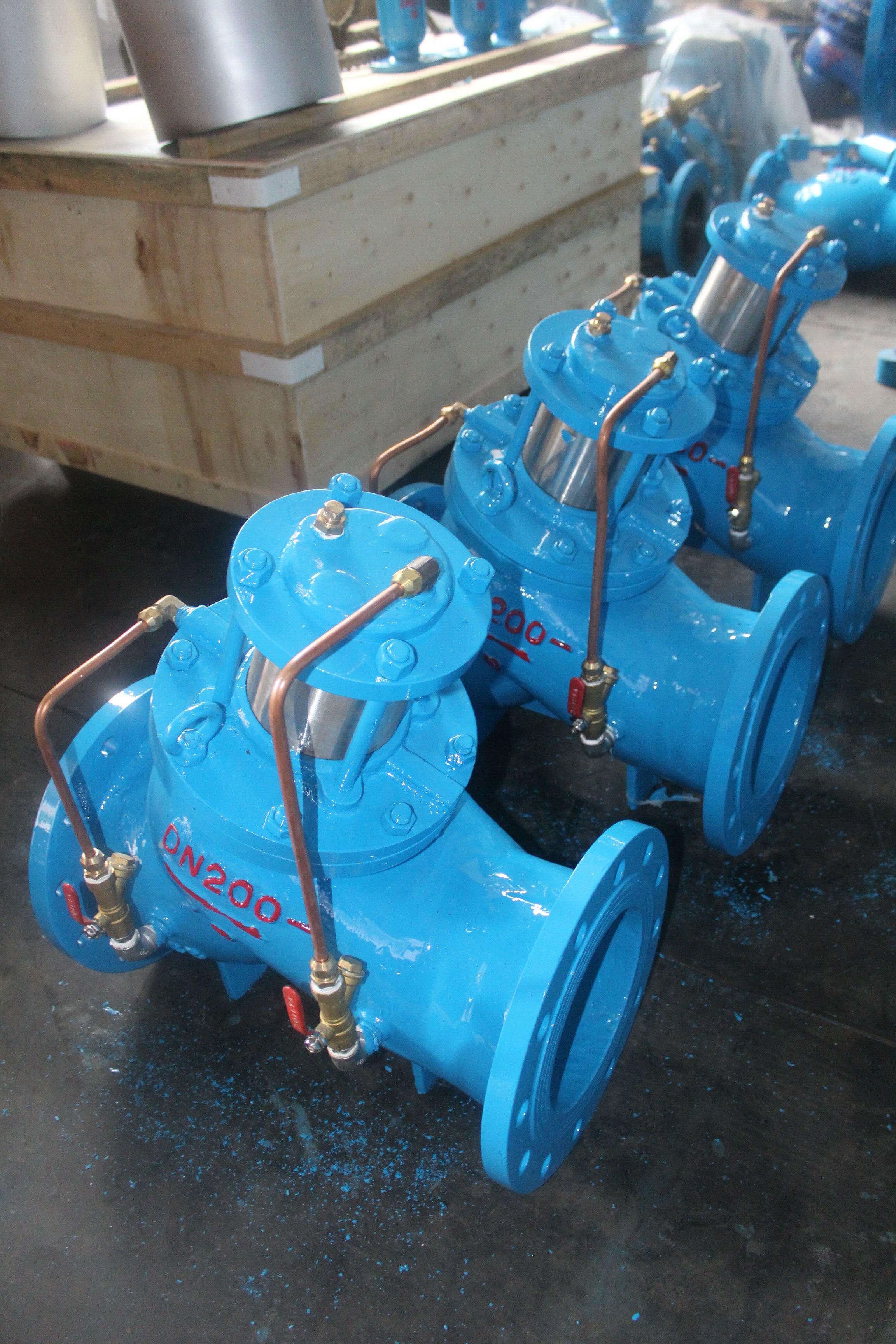
water line check valve
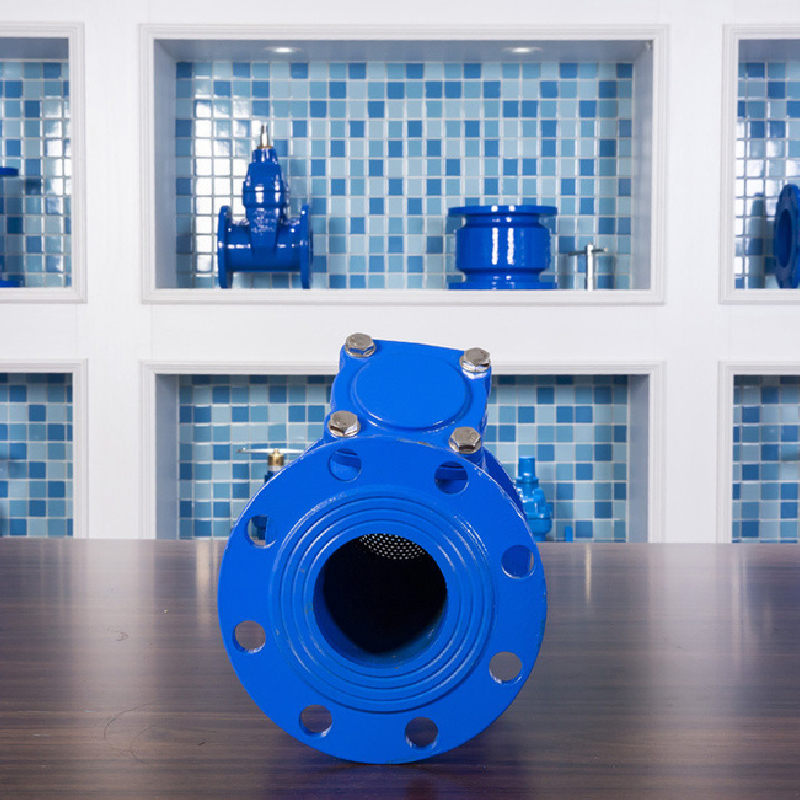
Understanding the Importance of Water Line Check Valves Water line check valves play a crucial role
Vanne papillon à 4 % pour des applications industrielles et de contrôle de fluides efficaces
La Robinetterie Le Cas de La Papillon à Quatre Pourcents Les vannes sont des composants essentiels
 English